The Seasonal Wardrobe Reset That Has Nothing to Do With Shopping
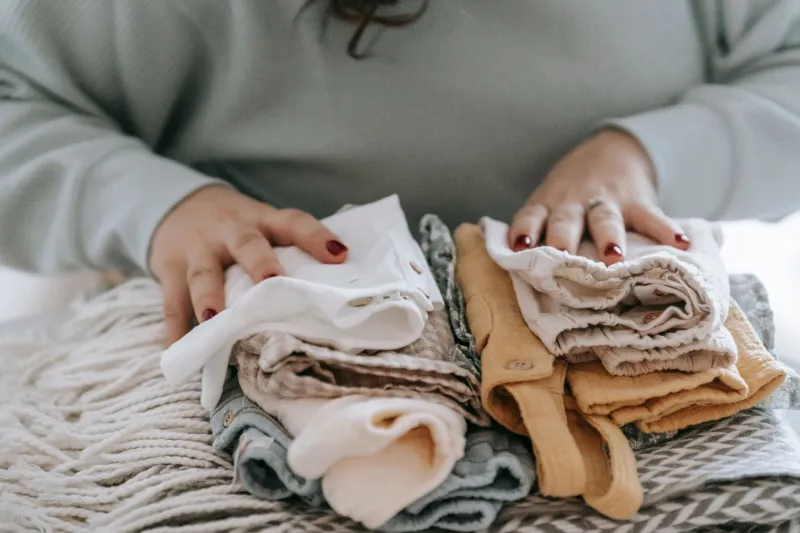
There's a rhythm to the fashion calendar that's been drilled into us for decades. Spring arrives, so we're supposed to clear out the heavy stuff and load up on pastels and linen. Fall hits, and suddenly we need new boots, new sweaters, a new coat, a whole new color palette. The message is consistent: new season, new wardrobe.
It's a great system if you're a retailer. It's a less great system if you're a real person with a real budget trying to build a wardrobe that actually works for your life.
Here's what I've learned from years of doing this: the seasonal refresh you're looking for almost never requires new purchases. What it requires is a more intentional relationship with what you already own — a willingness to edit, rethink, and recombine rather than replace.
This is the seasonal reset I actually do, and it's changed the way I experience my wardrobe year-round.
Why the 'Out With the Old' Mentality Costs You More Than Money
The standard seasonal wardrobe overhaul isn't just expensive — it's disorienting. When you're constantly cycling pieces out and bringing new ones in, you never really develop a deep familiarity with what you own. You don't discover the unexpected pairings. You don't figure out which pieces are genuinely versatile and which ones are one-trick ponies. You're always starting over.
There's also something subtler happening: the constant churn reinforces the idea that your current wardrobe isn't good enough. That it needs to be fixed with a purchase. That the solution to feeling uninspired is always more — more options, more newness, more stuff.
But most of the time, the solution to wardrobe fatigue isn't more. It's better access to what you already have.
The Actual Reset: A Four-Step Process
Step one: Do a full visibility audit. At the start of each season, pull everything out. Not just the obvious stuff — everything. The back-of-closet pieces, the things folded in bins, the items you haven't seen since you put them away six months ago. Lay it all out where you can see it.
This step sounds tedious, but it's the most important one. Most wardrobe fatigue comes from working with the same fifteen pieces on autopilot while twenty other perfectly good options sit invisible behind them. When you can see everything at once, the possibilities multiply.
Step two: Edit for the season, not against it. This isn't about removing everything that seems seasonally incorrect — it's about curating what's most relevant right now. Heavy wool coats move to the back in April. Sleeveless pieces come forward in May. But the line isn't as rigid as the fashion calendar suggests.
A lot of pieces work across multiple seasons with the right layering. A slip dress is a summer piece — and also a fall piece worn over a fitted turtleneck. A chunky knit sweater reads winter in isolation — and spring when it's cropped and worn with wide-leg trousers in a lighter fabric. Before you pack something away, ask whether it could work with a seasonal adjustment rather than a full removal.
Step three: Build three to five new combinations before you close the closet. This is the step most people skip, and it's the one that actually makes the refresh feel real. Before you put everything back, deliberately build some outfits you've never worn before. Not theoretical outfits — actual combinations, laid out or tried on.
Pair the thing you always wear one way with something completely different. Put the piece you've been avoiding next to something unexpected and see what happens. Some combinations won't work, and that's fine. But some will, and those are the ones that make your existing wardrobe feel genuinely new.
Step four: Identify your seasonal anchors. Every season, there are a handful of pieces that are going to do the most work — the ones you'll reach for constantly, that form the backbone of most of your outfits. Identifying them intentionally, rather than letting them emerge by default, means you can make sure they're clean, in good condition, and styled in ways that actually excite you.
These aren't necessarily your fanciest pieces. They're usually your most versatile ones — the well-fitting jeans, the perfect-weight jacket, the shoes that go with everything. Treat them like the workhorses they are.
The Pieces That Actually Work Year-Round
One of the most useful shifts in thinking about your wardrobe is recognizing which pieces genuinely transcend seasons versus which ones are more weather-dependent than you've been treating them.
Denim, in almost any form, works year-round with the right layers. White and cream tones, despite the unwritten rules, can absolutely be worn in fall and winter — the trick is in the fabric weight and what you pair them with. A great blazer is a four-season piece. So are most leather accessories, a well-cut trench, and almost any shoe in a neutral tone.
When you start seeing these pieces as year-round anchors rather than seasonal items, your wardrobe math changes completely. You're not dividing your closet into summer clothes and winter clothes — you're building a core collection that adapts, supplemented by a smaller number of truly seasonal items.
Small Shifts, Big Impact
The other thing worth talking about is how much difference small styling adjustments make without any new purchases at all.
Rolling sleeves instead of leaving them down. Tucking a shirt that you've always worn untucked. Adding a belt to a dress you've been wearing without one. Layering a button-down under a sweater instead of over it. These are tiny changes, and they make an outfit feel completely different.
Season-to-season, these micro-adjustments are often the actual difference between a wardrobe that feels fresh and one that feels stale. Not new pieces — new ways of wearing the same ones.
What You Actually Gain
When you approach seasonal transitions as an editing and restyling practice rather than a shopping occasion, something shifts in how you relate to your wardrobe.
You stop seeing it as a problem to be solved with a purchase. You start seeing it as a resource — something you know well, that you've invested in thoughtfully, that has more to offer than you're currently asking of it.
That relationship with your clothes? It's more sustainable, more creative, and honestly more satisfying than the cycle of buying and discarding that the fashion calendar keeps pushing. And it costs exactly nothing.