Your Closet Is Already Full of Gold — You Just Haven't Styled It Yet
Here's something nobody in the fashion industry wants you to sit with too long: most of the "expensive" looks you admire on other people aren't expensive at all. They're just well-executed. The difference between a $30 blouse that looks cheap and a $30 blouse that looks like it came off a Nordstrom rack? Fit. Presentation. Intention. Three things that cost exactly nothing.
I've spent a lot of time thinking about the psychology of perceived value — why some outfits command a room and others just... exist. And the honest answer is almost never about the price tag. It's about how the clothes are worn, cared for, and styled. Which means the upgrade you've been looking for might already be hanging in your closet.
The Fit Fix That Changes Everything
If there's one thing that separates a polished look from a forgettable one, it's fit. Not size — fit. Those two words get used interchangeably, but they're completely different concepts. You can be wearing exactly the right size and still look sloppy if the proportions are off.
The single most valuable thing you can do for your existing wardrobe is take a few key pieces to a local tailor. We're not talking about a full overhaul. A hem taken up on trousers, a side seam brought in on a blazer, a waistband slightly nipped — these are alterations that typically cost between $10 and $30 and will make a $40 pair of pants look like they were made for your body. Because after the alteration, they were.
For pieces you can't or don't want to alter right now, learn the basic tricks: tuck the front hem of an oversized shirt for a more intentional silhouette, roll sleeves to just below the elbow instead of pushing them up haphazardly, and pay attention to where your waistband actually sits versus where it's defaulting to. These micro-adjustments read as deliberate rather than thrown-on.
The Presentation Problem (And Why Your Hangers Matter More Than You Think)
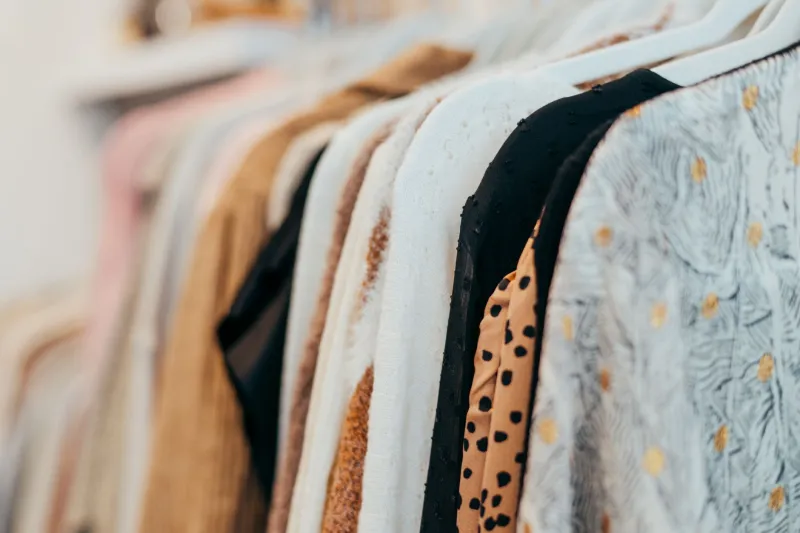
This one sounds almost too simple, but stay with me: the way you store your clothes directly affects how they look when you wear them. Clothes that live crushed together on wire hangers develop creases, lose their shape, and carry a kind of visual chaos that follows you out the door.
Switching to uniform velvet hangers is a genuinely low-cost investment — you can get a 50-pack for under $20 — and the effect is immediate. Your closet looks more curated, your clothes hang properly, and you stop accidentally stretching out necklines by forcing things onto flimsy metal. Knitwear should be folded, not hung, to prevent shoulder bumps. Structured blazers and jackets need real space between them, not compression.
Beyond storage, there's the question of maintenance. A fabric shaver (also under $20) removes pilling from sweaters, cardigans, and jersey basics and is probably the closest thing to a magic wand that exists in fashion. Run it over a pilled sweater once and you'll understand why people get almost evangelical about it. Steam, not just ironing, is another game-changer — a handheld steamer smooths wrinkles while also refreshing fabric so pieces look newer than they are.
Color, Contrast, and the Art of Looking Intentional
One of the quietest signals of a high-end look is color cohesion. That doesn't mean wearing all one color or avoiding prints — it means that the colors in your outfit feel like they were chosen together rather than just grabbed. Neutrals that live in the same temperature family (all warm or all cool) look inherently more polished than a mix of, say, a cool-toned gray with a warm camel.
Contrast is the other side of that coin. A monochromatic look done well — varying tones of the same color family — reads as sophisticated and considered. Meanwhile, the same pieces worn with a random pop of color can look scattered. When you're getting dressed, ask yourself if your outfit looks like it was assembled with a point of view. That's the real question.
Accessories are where budget pieces get their cover story. A quality leather belt, a structured bag, or a single piece of fine (or fine-looking) jewelry elevates everything around it. The eye doesn't itemize an outfit — it reads it as a whole. One elevated element pulls the rest up with it.
Grooming, Posture, and the Stuff We Pretend Isn't Fashion
I know this edges into territory that feels adjacent to style rather than directly about clothes, but I'd be doing you a disservice to skip it. The most expensive outfit in the world looks diminished on someone who's hunched over their phone. Posture is, genuinely, a styling tool.
The same logic applies to grooming in the broadest sense — not a specific beauty routine, just the general state of things. Clean, moisturized skin. Nails that look cared for, even if they're bare. Hair that looks chosen rather than accidental. These aren't vanity points; they're context. Your clothes exist within the context of how you carry yourself, and that context either supports or undermines everything else you're doing.
The Edit You Haven't Done Yet
Here's a practical exercise worth trying before your next shopping trip: pull everything out of your closet and put back only what you'd feel good wearing tomorrow. Not what you might wear, not what you paid a lot for, not what you're keeping just in case — what you'd actually reach for.
What's left is your real wardrobe. And I'd be willing to bet it's more than enough. The pieces you keep walking past are usually being ignored for a reason — wrong fit, wrong color for your current palette, uncomfortable, or just not quite you anymore. Clearing them out isn't about minimalism for its own sake; it's about making the things you love easier to see and easier to wear.
When your closet contains only things that work, getting dressed becomes faster, more intentional, and more satisfying. You stop defaulting to the same three outfits out of overwhelm and start actually using what you own.
The Mindset Shift That Makes All of This Stick
The underlying idea here is that perceived value is largely a function of care and intention. Clothes that are stored well, worn in their proper fit, styled with a point of view, and maintained over time look expensive because they've been treated as if they matter. That treatment is available to every price point.
You don't need a new wardrobe. You need a new relationship with the one you have. Start there — with a fabric shaver and some velvet hangers and five minutes of honest editing — and watch how different everything looks by the end of the week.