The 'Put-Together' Trap: How Chasing Polish Is Quietly Wrecking Your Confidence
There's a specific kind of exhaustion that comes from always looking great.
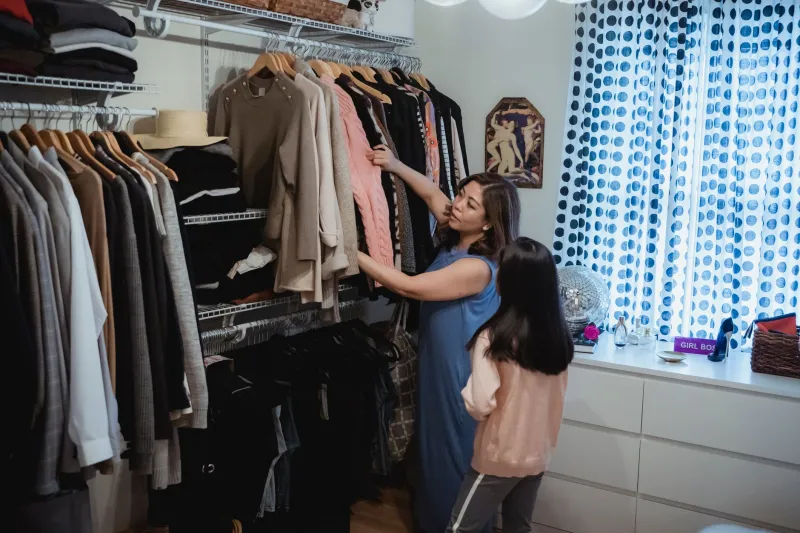
Not the satisfied tiredness of a good outfit day — the other kind. The kind that comes from maintaining a performance. From never letting your hair air dry because someone might see you. From stress-ironing a linen shirt at 7am because wrinkles feel like a personal failure. From spending twenty minutes on an airport outfit because you've absorbed the idea that even travel requires an aesthetic.
We've built an entire culture around the idea that looking polished is the same thing as being confident. And I want to push back on that — hard.
Polished Is a Performance. Confidence Is a State.
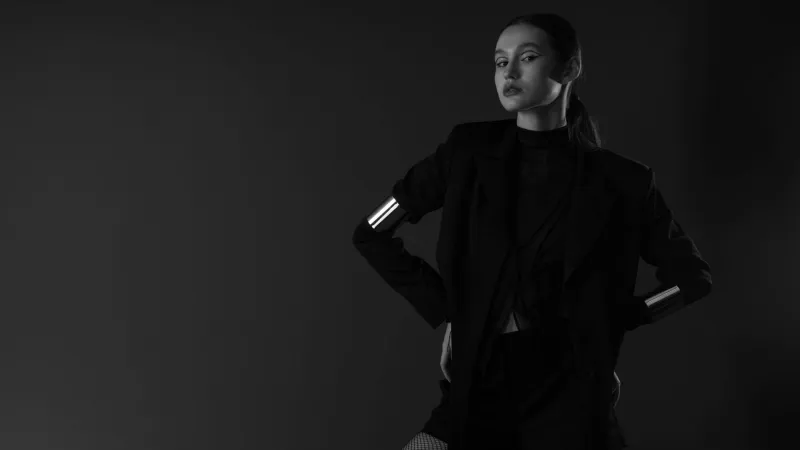
Here's the thing about the put-together look: it works. It genuinely does. When you walk into a room with a clean, cohesive, well-fitted outfit, people respond differently. You probably feel differently too.
But there's a version of that — the one that becomes compulsive, the one that feels less like self-expression and more like armor — that is quietly doing the opposite of what you think it's doing.
When looking perfect becomes the condition under which you feel okay about yourself, you've handed control of your confidence to your outfit. And that is a deeply unstable place to live.
You start avoiding situations where you can't control your appearance. You feel inexplicably anxious on casual days. You find yourself unable to focus on a conversation because you're aware that your blowout is falling. The polish isn't reflecting your confidence anymore — it's generating it, artificially, moment to moment. Take it away and there's nothing underneath.
The Instagram Aesthetic and What It's Really Selling You
Social media fashion content has a very specific visual language: the effortlessly chic, the quietly luxurious, the "I woke up like this but make it Aritzia." And it has trained us — deeply, persistently — to see that aesthetic as the goal.
The problem isn't the aesthetic itself. Some of those outfits are genuinely beautiful. The problem is the effortlessness part — the performance of not trying, which actually requires an enormous amount of trying. It's a specific kind of lie that fashion content tells, and we've internalized it so thoroughly that we now hold ourselves to a standard that doesn't exist in real life.
Real life has wrinkled shirts from sitting down. Real life has flyaways and mascara that's been on for eleven hours and shoes that are broken in enough to actually be comfortable. Real life does not look like a content calendar.
And chasing that standard — the one that lives only in a 1x1 square — is a game you cannot win, which means your confidence is always one bad lighting situation away from collapsing.
What the 'Undone' Actually Communicates
Here's what I've noticed, both personally and from watching how women carry themselves: the ones who seem most genuinely at ease with themselves are rarely the most polished ones in the room.
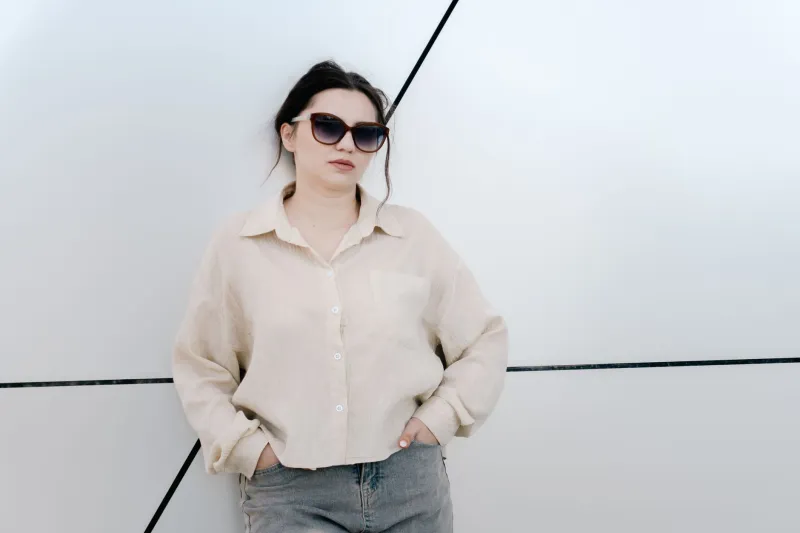
They're the ones who wear the worn-in leather jacket that's clearly been loved for a decade. The ones who tuck in their shirt imperfectly and don't fix it. The ones who show up to brunch in last night's mascara and somehow look more interesting for it.
There's a word for what they have, and it's not "style." It's presence. And presence comes from being so comfortable in yourself that you don't need the outfit to do the work of convincing people you're worth paying attention to.
The undone look — the intentionally imperfect, the comfortable, the genuinely lived-in — communicates something that a perfectly pressed outfit actually can't: I'm not performing for you. And that is magnetic.
Practical Ways to Loosen the Grip
This isn't a call to stop caring about how you look. It's a call to care differently — from a place of genuine expression rather than anxious maintenance.
Try one intentionally imperfect outfit a week. Leave the shirt untucked. Don't re-do your hair after the gym. Wear the shoes that are comfortable instead of the ones that photograph better. Notice how it feels. Notice that the world does not, in fact, end.
Audit your getting-ready time. How much of it is actually enjoyable, and how much is anxiety management? The former is self-care. The latter is a signal worth paying attention to.
Separate dressing for yourself from dressing for documentation. If you find yourself only feeling good about an outfit when you've photographed it, that's a sign the external validation loop has gotten too tight. Wear things that feel good in your body, not just in a photo.
Introduce some visible wear. The perfectly preserved piece kept in tissue paper versus the beloved jacket with a small scuff on the sleeve — one of those tells a story, and it's not the pristine one. Things that have been used have character. So do people.
Ask yourself: am I dressing to feel good, or to avoid feeling bad? There's a meaningful difference between choosing an outfit that excites you and choosing one that eliminates the risk of being judged. The first one builds confidence. The second one erodes it.
Real Confidence Doesn't Need a Perfect Outfit to Survive
The most liberating thing I can tell you is this: genuinely secure people look fine in sweatpants. Not because sweatpants are stylish — sometimes they're not — but because their sense of self isn't riding on the outfit.
That's the goal. Not to stop caring about fashion — fashion is genuinely fun and expressive and worth caring about. But to build a relationship with it where the clothes are an extension of your confidence, not the source of it.
Because the day you can walk into a room in a wrinkled shirt, hair not quite right, and still feel completely at home in yourself? That's the day you've actually won the style game. And no amount of polish gets you there faster than learning to be okay without it.